




Educational Qualifications Required for Nursing Assistant Ausbildung in Germany 2027

///

June 12, 2026

Educational Qualifications Required for Nursing Assistant Ausbildung in Germany 2027

Nursing Assistant Ausbildung Germany continues to strengthen its healthcare system by expanding opportunities for nursing professionals and healthcare assistants. With the introduction of standardized nursing assistant training programs expected to be implemented nationwide by 2027, many international candidates are looking to understand the educational requirements needed to enroll in a Nursing Assistant Ausbildung program. This vocational training pathway offers an excellent opportunity for individuals who wish to build a healthcare career in Germany while gaining practical experience and earning a monthly training allowance.


Nursing Assistant Ausbildung

The Nursing Assistant Ausbildung, often referred to as Pflegefachassistenz Ausbildung, Nursing Assistant Ausbildung is designed to prepare students for supporting nurses and healthcare professionals in hospitals, nursing homes, rehabilitation centers, and home care settings. Understanding the educational qualifications required for admission is one of the most important steps for prospective applicants.

Understanding the Nursing Assistant Ausbildung Program

The Nursing Assistant Ausbildung is a vocational training program that combines classroom instruction with practical training in healthcare facilities. Students learn essential nursing skills, patient care techniques, hygiene standards, communication methods, and healthcare regulations. The program is intended to create skilled healthcare assistants who can support registered nurses in providing quality patient care.

As Germany faces an increasing demand for healthcare workers due to its aging population, the country is making efforts to attract both domestic and international candidates into nursing-related professions. The Nursing Assistant Ausbildung serves as an accessible entry point into the German healthcare sector and can lead to further career advancement opportunities.

Minimum Educational Qualification Requirements

One of the primary requirements for enrolling in a Nursing Assistant Ausbildung program in Germany is meeting the minimum educational standards established by training institutions and state authorities.

Nursing Assistant Ausbildung Most programs generally require applicants to have completed secondary education. International candidates must provide proof that their educational qualifications are equivalent to the required German school certificate. Educational authorities and training institutions review foreign qualifications to determine whether they meet the standards necessary for admission.

For many international applicants, completion of at least ten years of formal schooling is considered a basic requirement. However, specific requirements may vary depending on the federal state, training institution, and regulations in effect at the time of application.

Applicants should ensure that all academic records, certificates, and transcripts are properly translated into German by certified translators if required by the institution.

Recognition of Foreign Educational Qualifications

International students must often undergo a qualification recognition process before being admitted to a Nursing Assistant Ausbildung program. This process helps German authorities evaluate whether a candidate’s educational background matches the standards expected within Germany’s education system.

Recognition procedures may involve reviewing school certificates, academic transcripts, and proof of completed education. Depending on the evaluation results, candidates may be considered fully qualified, partially qualified, or may need additional preparation before beginning training.

The recognition process is particularly important for applicants from countries outside the European Union. Proper documentation and early preparation can significantly improve the chances of successful admission.

Importance of German Language Skills

Although educational qualifications are essential, language proficiency plays an equally important role in the admission process. Nursing assistants interact directly with patients, families, doctors, and healthcare teams on a daily basis.

Nursing Assistant Ausbildung Most institutions require applicants to demonstrate German language skills at a specified level. In many cases, a B1 level of German proficiency is considered the minimum requirement, while some institutions may prefer or require B2-level proficiency.

Strong language skills help students understand medical terminology, follow instructions accurately, communicate effectively with patients, and succeed in both classroom and clinical training environments.

Applicants should begin language preparation well before applying for Ausbildung programs to ensure they meet the necessary requirements.

Additional Academic Competencies That Support Admission

While meeting the minimum educational qualification is important, certain academic strengths can make an applicant more competitive. Subjects such as biology, health sciences, chemistry, and social sciences can provide a useful foundation for nursing education.

Students who have demonstrated strong academic performance in these areas may find it easier to understand healthcare concepts during their training. Knowledge of basic human anatomy, health practices, and scientific principles can contribute to academic success throughout the program.

Training institutions often value candidates who show a genuine interest in healthcare and patient support, regardless of their specific academic background.

Practical Experience and Volunteering

Although practical experience is not always mandatory, many training providers appreciate applicants who have prior exposure to healthcare environments. Volunteer work in hospitals, elderly care facilities, community healthcare programs, or social service organizations can strengthen an application.

Practical experience demonstrates a candidate’s commitment to patient care and provides valuable insights into the daily responsibilities of healthcare professionals. It can also help applicants develop communication skills, empathy, teamwork, and problem-solving abilities.

Candidates who have participated in caregiving activities often enter their training with greater confidence and understanding of healthcare environments.

Medical Fitness Requirements

In addition to educational qualifications, applicants are generally expected to demonstrate that they are physically and mentally capable of performing nursing-related duties. Healthcare work often involves assisting patients with mobility, maintaining hygiene standards, and working in physically demanding environments.

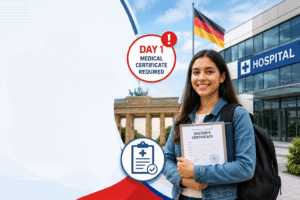
Training institutions may require a medical fitness certificate from a qualified healthcare professional. This documentation confirms that the applicant is suitable for healthcare training and capable of handling the responsibilities associated with patient care.

Maintaining good physical health and emotional resilience is important for success in the nursing profession.

Character and Background Requirements

Healthcare professionals work closely with vulnerable individuals, making trustworthiness and professionalism essential qualities. Some training providers may request a certificate of good conduct or similar background documentation as part of the admission process.

Applicants should demonstrate responsibility, reliability, compassion, and a commitment to ethical healthcare practices. Strong interpersonal skills and a caring attitude are highly valued within the nursing profession.

Training institutions seek candidates who can contribute positively to patient wellbeing and maintain professional standards throughout their careers.

Preparing for the Application Process

Prospective students should begin preparing their application materials well in advance. Gathering educational certificates, language certificates, passport documents, curriculum vitae, motivation letters, and translated records can take time.

Applicants are encouraged to research training institutions carefully and understand the specific admission requirements of each provider. Since requirements can vary between regions and institutions, early planning helps avoid delays and increases the likelihood of successful admission.

A well-prepared application demonstrates professionalism and commitment, qualities that training providers often look for when selecting candidates.

Career Opportunities After Completing the Ausbildung

Completing a Nursing Assistant Ausbildung opens the door to numerous career opportunities within Germany’s healthcare sector. Graduates may find employment in hospitals, nursing homes, rehabilitation centers, outpatient care services, and specialized healthcare facilities.

The qualification can also serve as a foundation for further education and professional development. Many nursing assistants choose to continue their studies and pursue advanced nursing qualifications, ultimately becoming registered nursing professionals.

As demand for healthcare workers continues to grow, trained nursing assistants are expected to play an increasingly important role in supporting Germany’s healthcare system.

Conclusion

The educational qualifications required for Nursing Assistant Ausbildung in Germany in 2027 are designed to ensure that students possess the academic foundation, language skills, and personal qualities necessary for success in healthcare training. While secondary education remains a key requirement, applicants must also focus on language proficiency, qualification recognition, and professional preparation.

For international candidates, the Nursing Assistant Ausbildung represents a valuable pathway into Germany’s healthcare industry. With proper planning, strong academic documentation, and commitment to patient care, aspiring nursing assistants can build a rewarding and stable career while contributing to one of Europe’s most respected healthcare systems.


Curriculum and Teaching Methods

Now that we’ve identified the top German language academies in Kochi, let’s delve into their curriculum and teaching methods. These institutions stand out for their comprehensive approach to language learning.

Comprehensive Language Programs

The best German academies in Kochi offer programs that cover all aspects of language proficiency:

  • Speaking
  • Listening
  • Reading
  • Writing
  • Grammar
  • Cultural understanding

Interactive Learning Techniques

To ensure effective learning, these academies employ various interactive techniques:

  • Role-playing scenarios
  • Group discussions
  • Language games
  • Cultural immersion activities

Facilities and Resources

When learning German, the right environment and resources can significantly enhance your language acquisition journey. The best German language academies in Kochi offer state-of-the-art facilities and abundant resources to support your learning experience.

State-of-the-art classrooms

Modern classrooms equipped with smart boards, multimedia projectors, and comfortable seating create an ideal learning atmosphere. These technologically advanced spaces allow for interactive lessons and engaging presentations, making your German classes more enjoyable and effective.

Digital language labs

Digital language labs are a cornerstone of effective language learning. These labs feature:

  • Advanced audio-visual equipment
  • Language learning software
  • Individual workstations for focused practice

German cultural events and activities

Immersion in German culture is crucial for language mastery. Top academies regularly organize:

  • German film screenings
  • Cultural workshops
  • Guest lectures by native speakers
  • German cuisine tasting events

These activities provide practical exposure to the language and deepen your understanding of German culture.

Library with German literature and study materials

A well-stocked library is an invaluable resource for German language learners. It typically includes:

  • German novels, short stories, and poetry
  • German newspapers and magazines
  • Grammar books and workbooks
  • Audio-visual learning materials

With these comprehensive facilities and resources, you’ll have everything you need to excel in your German language studies. Next, we’ll explore the importance of certification and accreditation in choosing the right German language academy.

Conclusion

Learning German opens up a world of opportunities, and choosing the right academy in Kochi is crucial for success. The top German language academies in the city offer comprehensive curricula, effective teaching methods, and a track record of student achievements. With state-of-the-art facilities, accredited certifications, and flexible learning options, these institutions provide a solid foundation for language mastery.

As you embark on your German language journey, consider the value for money offered by these academies. Investing in quality education at a reputable institution can significantly impact your language proficiency and future prospects. Take the time to explore the options available, visit the academies, and choose the one that best aligns with your goals and learning style. With dedication and the right support, you’ll be speaking German fluently in no time.